
Latin America Is Taking A Bigger Role In The Pangasius Trade. What Comes Next?
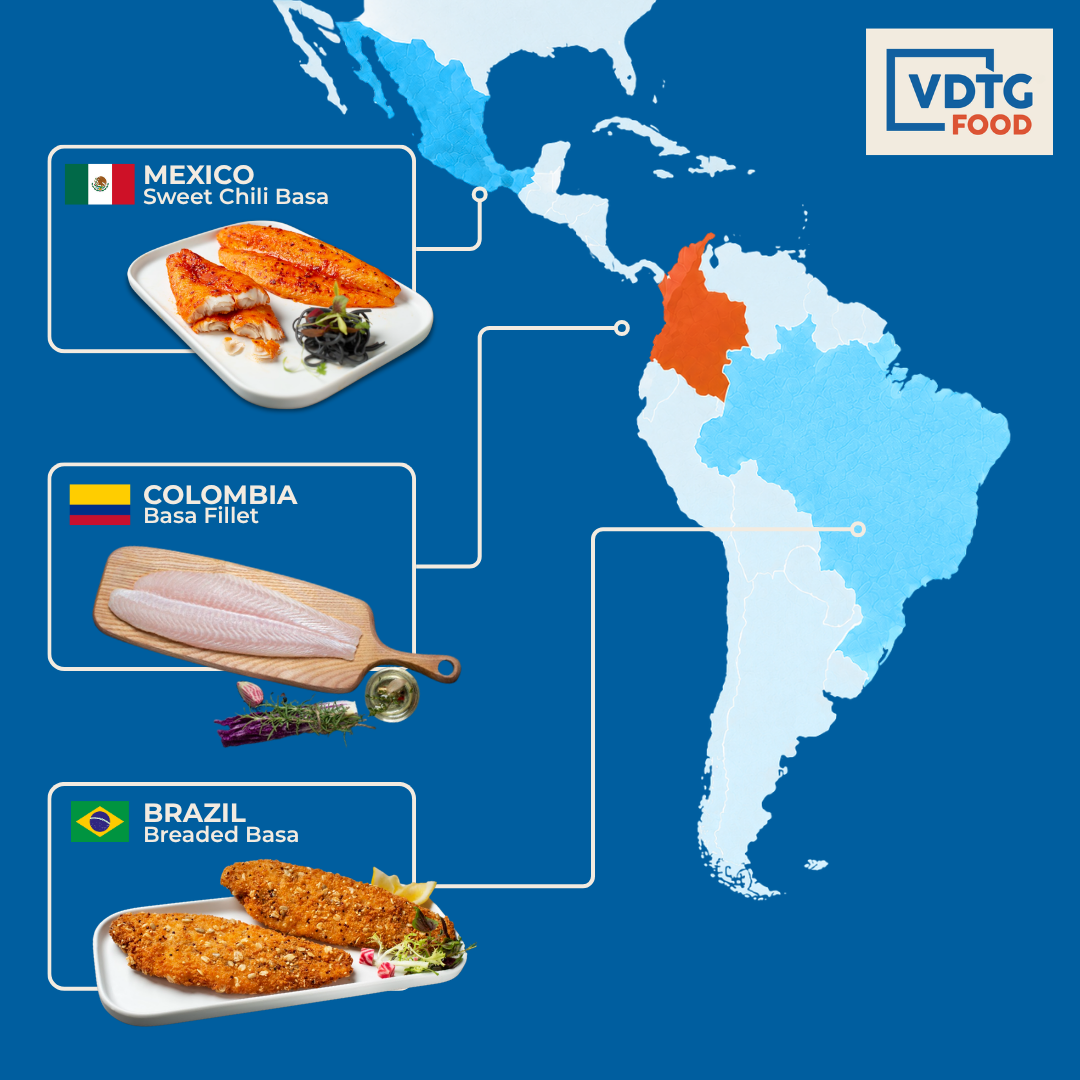
Selling pangasius into Latin America? What works in Mexico may not work in Brazil. Or Colombia.
Demand is growing in all three markets. But the real opportunity isn’t just to sell more pangasius. It’s to know what each market needs next.
For buyers, that could mean different sizes, cuts, or ready-made products that fit local tastes and habits better.
Mexico: A rising market but looking for a little extra
Mexico is riding a wave. Exports jumped to USD 43 million in H1 2026, up 28% from the year before, making it Vietnam’s biggest pangasius market under CPTPP. [1]
But look closer, and much of that volume still moves in familiar formats. Mexican consumers are accustomed to fresh or frozen pangasius, kept simple and straightforward. It works, and there’s no reason to change what already works.
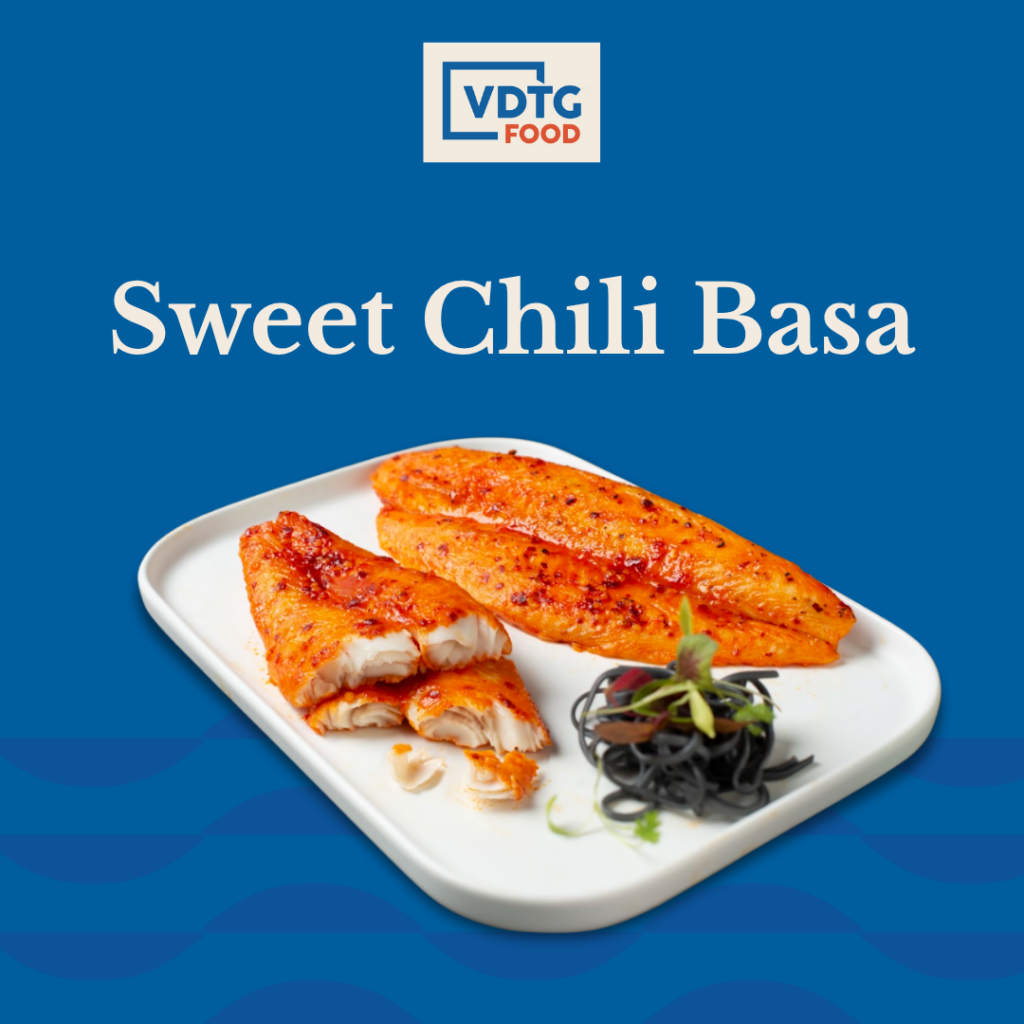
What’s changing is the appetite for something more. Sweet and spicy flavors are deeply rooted in Mexican food culture, from street food and sauces to snacks and everyday favorites.
Pair those familiar flavors with mild basa, and there’s a new proposition for the shelf. VDTG’s Sweet Chilli Grilled Fillet, marinated with sweet chilli sauce, offers exactly that kind of bridge: a familiar pangasius format with a flavor profile that feels more distinctive.
Brazil: A Fish Ready to Play More Roles
Brazil’s story is bigger in scale, USD 88 million in pangasius in H1 2026.[2]
Fish here isn’t staying in the fillet lane anymore. Breaded portions, sticks, nuggets — they’re already on shelves. Store brands are chasing variety now, not just cheaper prices.
The opportunity is in the dozen ways one fish can show up, fingers, sticks, nuggets, formed fillets, bites. This is where VDTG’s breaded and formed pangasius range comes in, one fish base, shaped into the formats Brazilian retail is already building shelf space for.

Colombia: A Market Still Finding Its Feet
Colombia is newer to pangasius, but moving fast. Imports reached USD 24 million in the first five months of 2026, up 48% year on year.[3]
This is a market still in its early stage, and that’s exactly where the opportunity lies. Getting the category right now, frozen fillets, simple and reliable portions, builds the foundation for everything that follows.
Buyers who move early here have room to shape how the market grows, not just react to it. This is where VDTG’s frozen pangasius fillets and industrial blocks do the work, a straightforward, dependable product that builds trust first, with room to bring in marinated or breaded lines once demand matures.
The strategic play in Colombia isn’t to wait for the market to catch up. It’s to grow with it from the start.

What Comes Next for Pangasius in Latin America?
There is no single Latin American pangasius market.
Mexico brings growth. Brazil brings scale and greater room for differentiation. Colombia brings emerging momentum.
The next stage will depend on how well products are adapted to those differences.
For some buyers, the opportunity may remain in reliable frozen fillets. For others, it may be marinated portions, breaded formats, private-label development or products designed around specific local flavor preferences.
That is where we see the next opportunity for pangasius: not replacing the core business, but building more possibilities around it.
At VDTG Food, our capabilities extend from pangasius fillets and industrial blocks to marinated, breaded and formed products, allowing product development to begin with the market requirement rather than a fixed format.
Latin America is buying more pangasius. The next question is what buyers will want pangasius to become.
Explore VDTG Food’s pangasius and value-added seafood capabilities: https://vdtgfood.com/contact/
Sources
[1] VASEP – Vietnam Pangasius Exports H1 2026
[2] VASEP – Vietnam Pangasius Exports H1 2026
[3] VASEP – Vietnamese pangasius posts strong growth in the Colombian market